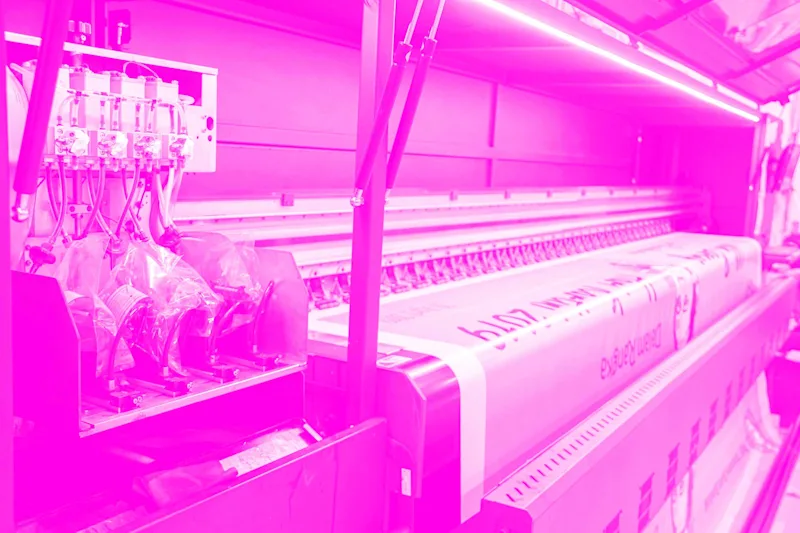
 , fast delivery, and backed by our world-class customer service every step of the way.
 Back
Back

The Strategic Benefits of U.S.-Made Corrugated Packaging
In 2025, businesses face new pressures around speed, sustainability, and resilience—and packaging plays a bigger role in solving for all three than ever before. Brands are rethinking every step of the customer journey, from supply chain decisions to unboxing experiences, and packaging sits at the center of that conversation.
But there’s one factor that often gets overlooked: where your packaging is made.
Choosing U.S.-made corrugated packaging—whether mailer boxes, shipping cartons, or custom printed solutions—can reduce emissions, stabilize costs, improve operational agility, and support consumer trust. In a world where global trade is unpredictable and customer expectations are rising, sourcing packaging closer to home offers a strategic edge that goes far beyond the box itself.
This article explores how domestic packaging production supports faster lead times, smarter logistics, sustainable practices, and stronger brand alignment. It’s not about waving a flag—it’s about reducing risk and building better systems from the inside out.
1. Lower Carbon Footprint and Smarter Sustainability
One of the clearest benefits of domestic sourcing is environmental impact.
Reduced shipping emissions
Maritime shipping alone is responsible for nearly 3% of global greenhouse gas emissions, according to the Global Maritime Forum. If it were a country, it would rank among the top six emitters worldwide. That means every container of boxes shipped from overseas adds significantly to your product’s carbon footprint.
By contrast, sourcing boxes domestically slashes freight distances—especially for North American fulfillment. Whether your final delivery happens by truck, rail, or air, local packaging translates to fewer miles and lower emissions.
U.S. recycling infrastructure
Corrugated cardboard is the most recycled packaging material in the U.S., with more than 90% of boxes recovered and reused in a closed-loop system (AF&PA, 2024). When those boxes are made locally, it’s easier to feed that loop—keeping paper fibers in circulation rather than losing them to landfills abroad.
Cleaner production practices
U.S.-based manufacturers are held to higher environmental and labor standards than many overseas suppliers. That includes regulations on wastewater discharge, energy usage, chemical sourcing, and waste disposal. Brands that choose U.S.-made corrugated packaging can make credible sustainability claims with greater transparency and fewer unknowns.
2. Avoiding Tariffs, Delays, and Volatility
Between fluctuating fuel costs, port slowdowns, and shifting tariffs, importing packaging materials has become riskier and more expensive.
Ongoing tariff expansion
As of 2025, the U.S. continues to impose tariffs on a wide range of goods imported from abroad. New trade actions targeting Chinese-made goods have added substantial cost to many types of paperboard, liners, and inked packaging. While some tariffs are industry-specific, their downstream effect often touches e-commerce, food and beverage, and retail brands alike.
Sourcing from the U.S. sidesteps those tariffs entirely.
Fewer hidden costs
Imports carry other hidden costs—broker fees, customs delays, documentation errors, inspections, insurance, and container detention. These costs don’t always show up in a per-unit quote but can quietly eat into your margin and tie up valuable time.
When you order from a U.S. supplier, you get a much simpler path to delivery. No customs clearance. No foreign banking or currency exchange. And far fewer surprise delays.
3. Aligning With Consumer Preferences
Customers today don’t just care about what they’re buying—they care about how it got to them. That includes the materials, labor, and transportation behind the product and its packaging.
Customers favor sustainable, local sourcing
According to the 2025 Shorr Packaging Sustainability Report:
- 54% of U.S. consumers have chosen one product over another due to packaging sustainability
- 43% say they’re willing to pay more for sustainably packaged goods
- 31% have switched to a competitor for environmental reasons
A separate poll conducted in late 2024 by NKY Tribune found that 77% of Americans prefer to buy U.S.-made products when given the option. 82% said they would do so more often if it were easier to identify or access those goods.
Packaging as part of your story
When a consumer sees that your product ships in recyclable, U.S.-made packaging, that tells a story about your brand’s priorities. You’re showing transparency, cutting carbon emissions, and reinvesting in local economies. That matters—especially to younger generations and values-driven buyers.
4. Lead Times That Keep Up With Your Business
Time is money—and when your packaging is stuck in customs or delayed at port, it can bottleneck your entire supply chain.
U.S. production is simply faster
Overseas packaging can take 6 to 10 weeks to arrive after ordering. That’s assuming no disruptions. By contrast, most domestic custom corrugated orders—like those from Packwire—ship within 10 to 20 calendar days. Some can be expedited if production schedules allow.
Better for short runs and versioning
Short-term campaigns, subscription box refreshes, influencer drops, limited editions—these require speed and agility. With a domestic supplier, you can create small-batch packaging with precise specs and reorder quickly as needed.
5. Logistics That Simplify, Not Complicate
Every operational leader knows the friction points: inventory pileups, unclear ETAs, container fees, delays at the dock.
With domestic sourcing, your packaging moves from a fragile just-in-case model to a responsive just-in-time model.
- Fewer delays: No ocean freight. No border holdups.
- Simpler replenishment: Order closer to need with smaller lot sizes.
- Cheaper freight: Flat-packed boxes shipping from a few states away cost far less than LCL ocean freight or expedited air cargo.
- More accurate forecasting: With predictable lead times, you avoid both stockouts and costly overstocks.
6. Industry-Specific Applications
Food & Beverage
U.S.-made corrugated boxes help ensure FDA and USDA compliance. They're a great fit for meal kits, grocery delivery, or temperature-sensitive products where freshness depends on fast turnaround.
Beauty & Personal Care
Packaging often becomes part of the brand experience. Domestic providers allow for tighter control over finish, color, and timing—ideal for premium unboxing.
E-Commerce & Subscription
Consumer-direct shipments need boxes that look great and hold up in transit. Faster iterations and stronger materials from U.S. manufacturers help DTC brands stay agile and protect their margins.
B2B & Industrial
Heavy or fragile items benefit from domestic corrugated solutions that are engineered for weight, stacking, or cushioning. Plus, local compliance documentation is easier to manage.
7. Risk Mitigation and Business Continuity
Resilience isn’t just a buzzword anymore. Brands are actively rethinking their sourcing to reduce dependency on single points of failure.
Global disruptions—whether geopolitical, pandemic-related, or climate-induced—are becoming more frequent. Relying on international supply lines for packaging introduces unnecessary vulnerability.
Domestic packaging:
- Reduces dependency on foreign ports and freight networks
- Avoids currency exchange swings
- Provides tighter relationships with account managers, engineers, and production teams
That makes you more resilient in the face of the unexpected—and more adaptable when timelines shift.
8. Cost Comparisons: It’s Not Always More Expensive
The assumption is that U.S.-made packaging is more expensive. But that’s not always the case when you look at total landed cost.
- No tariffs or duties
- No long-haul freight
- Lower minimums (especially for short-run jobs)
- Reduced product damage in transit
- Less tied-up capital in packaging inventory
In fact, the cost difference for many of Packwire’s customers disappears completely when you factor in transit time, flexibility, and risk. For others, the slightly higher unit price is more than offset by operational benefits and consumer loyalty gains.
9. Why Packwire?
At Packwire, all of our corrugated packaging is made in the U.S., with 10–20 calendar day lead times and low minimums. Whether you’re launching a new subscription box or scaling fulfillment for a retail rollout, we help brands stay flexible, fast, and confident in their packaging.
Our online platform lets you design packaging in 3D, order what you need, and manage production—all without the friction of overseas coordination.
Explore our custom boxes here →
Conclusion: Think Inside the Box—Strategically
In an unpredictable business landscape, sourcing your packaging from the U.S. isn’t just a nice gesture. It’s a smart operational decision that gives your business:
- Faster turnaround
- Tighter cost control
- Lower emissions
- Greater flexibility
- Stronger customer trust
Sustainability, reliability, and resilience don’t have to be in conflict with growth. Choosing U.S.-made corrugated packaging is one way to bring them together—and put your brand on more solid ground.
Sources:
- Global Maritime Forum – Why 2025 matters for shipping emissions
- Packaging Dive – Corrugated recovery rates and tariff impact
- Shorr Packaging – 2025 Sustainable Packaging Report
- NKY Tribune – American consumer preference for U.S.-made goods