 , fast delivery, and backed by our world-class customer service every step of the way.
 Back
Back

Back to the Drawing Board: Rebranding Your Business and Packaging Design
You’ve spent months, maybe years, developing your business plan and meticulously crafting your brand. You launch without a hitch and pat yourself on the back for all the arduous days the sleepless nights you’ve put into the project. Then, a little time passes and something happens. People aren’t responding to your product or service the way you wanted them to. There’s a disconnect. Suddenly, you’re presented with a very difficult decision: do you keep trudging through with the hopes that your business will eventually catch on or is it time to rethink your brand?
Today, many young businesses and startups are rebranding at the early stages. It’s never a simple decision to make. Rebranding can be costly and puts you at risk of losing the client base you already have. At the same time, allowing something that’s not working to linger for too long can just be as risky. Nothing's for certain, but to gauge if the time is right there are a few questions you can ask yourself. Here are three of them:
1. Why am I rebranding?
It’s easy to be misguided by boredom. With young businesses there’s often a honeymoon phase where everything you do feels new and exciting. But when the magic begins to fade, it’s easy to fall into the trap of rethinking things that don’t necessarily need changing.
Consider the Tropicana branding fiasco in 2009. The famous straw-in-the-orange design was swapped for a glass of orange juice, typography was altered, the packaging now featured an orange-shaped screw top and new banner ads depicted families hugging with the slogan “Squeeze: it’s a natural.” Within weeks, parent company Pepsico saw a 20% drop in sales. In less than two months, they switched back to the original packaging and design.
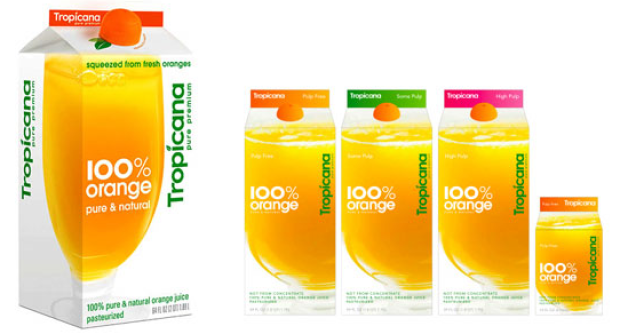
The backlash they received didn’t have much to do with bad copy or design (admittedly, both were bland) but was more about the fact that consumers had an emotional connection with Tropicana’s image—a connection that was severed when the company reworked every element of its packaging and design.
Tropicana was heavily invested in creating something new, and in their own words, “breathtaking”, but never really asked why they needed to rebrand in the first place.
2. Is it the right time to rebrand?
To answer this question, you’ll need to properly define your business’s short-, medium- and long-term goals. Sometimes, even when a brand is doing fine, a business may foresee possible hurdles that are better addressed sooner than later. Will rebranding down the road necessitate a major recall? Or perhaps you anticipate legal and copyright issues with your name or logo. If you wait too long to address these, will you lose your emotionally-invested client base?
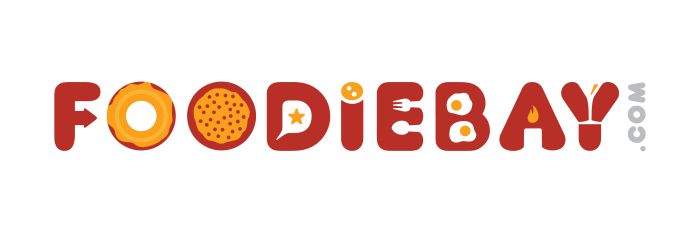
In 2011, two years after its launch, Foodiebay decided to rebrand as Zomato. On its blog post from the same year, Zomato outlines three important factors that informed its decision:
- “[after receiving funding] we rethought where we wanted to be as a company in the longer term. An obvious answer was that we would like to venture into verticals adjacent to food. And sticking to the name Foodiebay was definitely not the best option to support this move.”
- “When we had named ourselves Foodiebay, we didn’t notice that we had ‘eBay’ in our name… one should not build a business on a name which has a 5% chance of getting screwed in the future.”
- “Post funding, we were investing a lot into marketing our brand. Most of this money would have to be spent again if we delayed rebranding ourselves. So we thought that if rebranding was inevitable, we’d rather do it sooner than later.”
Unlike Tropicana, Zomato had clearly defined reasons as to why rebranding was necessary. They set goals and predicted how not rebranding would affect their bottom line at different milestones. At the same time, they waited until they received the backing they required to take this crucial step. Rebranding initiatives needn’t always be about the now. It’s important to consider the bigger picture.
3. Which Elements Matter?
Tropicana’s fatal flaw wasn’t trying to do something new but rather, trying to do too much at once. Changing the typography, the logo, the packaging and the slogan all at the same time confused customers.
Rebranding doesn’t have to be a full reset of your business’s identity. Sometimes, it’s only a matter of tweaking one little element. At the same time, it’s important to remember that your brand functions as a sort of ecosystem: shifting one aspect of it may affect another. For instance, if you’re an ecommerce company considering more attractive packaging design, think about how your logo and lettering will interact with boxes of different shapes and sizes. It’s a balancing act.
When tackling the issue of rebranding your packaging, don’t be afraid to test multiple versions of the new designs to ensure the new idea is indeed balanced. Foldable boxes, shipping boxes, and rigid boxes by Packwire can all be ordered in modest quantities. You can buy mailer boxes in groups as small as 10 per design if you wish to test several ideas while respecting the rebranding budget.

Before anything, sit down with a pen and pad and list every element that makes up your brand. Try to define what each one means. Every color, letter and shape must somehow contribute to the larger message.
A Final Note
If you do decide to move forward with rebranding your business, don’t lose sight of why you made the decision in the first place. It’s easy to get carried away during the creative process and try to transform your brand into something more than what your business warrants. In short, don’t try to be everything. When a brand tries to say too much it ends up drowning out its own voice. Always be confident of what you are not; doing so helps better define what you are.