 , fast delivery, and backed by our world-class customer service every step of the way.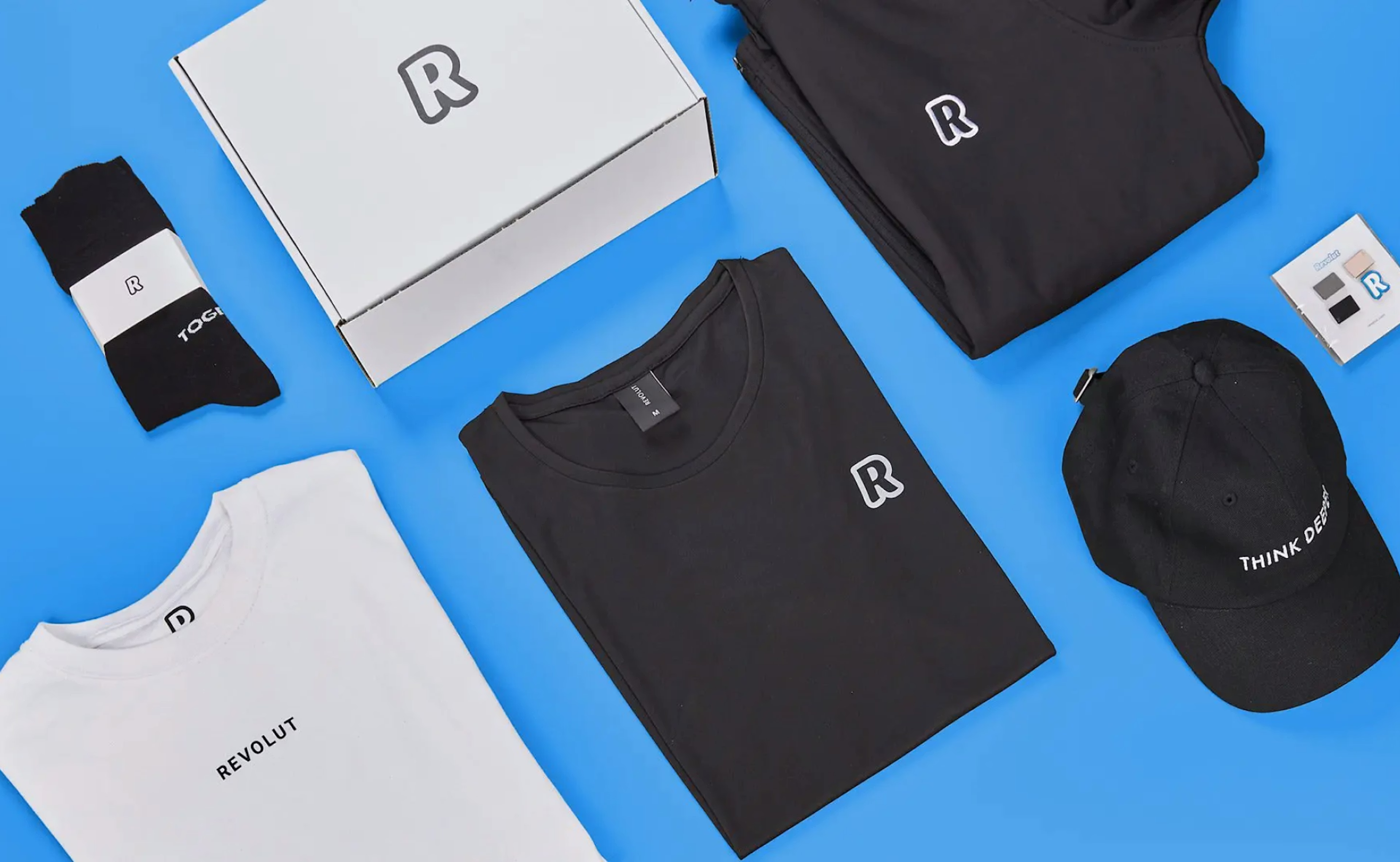
 Back
Back

The Corporate Swag Evolution: How to Create Welcome Kits Your Team Will Actually Keep
We have all seen the photo on LinkedIn. It has become a heartwarming rite of passage for the modern knowledge worker.
A new hire posts a picture of their desk on Day One. It is meticulously arranged. There is a MacBook Pro, a sleek monitor, and then… the "Welcome Kit."
It’s a colorful display of branded items—a water bottle, a notebook, a fresh t-shirt, and a handful of stickers. The caption reads: "So excited to join the team! #NewBeginnings #DayOne"
It is a genuine moment of excitement. It shows that the company was ready for them, that they have been anticipated, and that they are now part of the tribe. But for People Ops and HR leaders, this photo represents just the beginning of the journey. The real question isn't just "Did they post the photo?"—it is "Will these items become a meaningful part of their daily work life?"
In 2025, we are seeing a significant shift in how top companies approach onboarding. We are moving away from the era of "high-volume" swag bags and entering the era of Intentional Materiality.
The goal is no longer just to get the company logo on a desk; it is to provide tools and gifts that integrate seamlessly into the employee's lifestyle. It is about shifting the focus from branding to belonging.
If you are looking to elevate your onboarding experience, here is a comprehensive guide to auditing your current kit, understanding the psychology of the unboxing moment, and navigating the logistics of getting your culture into the hands of your team.

Why the Box Matters: The Psychology of Belonging
Before we talk about hoodies and notebooks, it is helpful to understand why we send these kits in the first place. It isn't just tradition; it serves a vital psychological function.
In the traditional office era, "onboarding" was a sensory experience. You walked into a lobby. You smelled the coffee. You shook hands with the receptionist. You felt the energy of the room. You physically inhabited the space of the company.
In a remote-first or hybrid world, the company can sometimes feel like an abstraction. It is a series of Slack notifications, a Zoom window, and a login for Jira. Without a physical office, it can be harder to feel that sense of "arrival."
Psychologists refer to physical items in this context as "Transitional Objects."
Think of the welcome kit as a tangible anchor. It bridges the gap between the employee's home (their personal space) and the "office" (their professional identity). When a new hire puts on a high-quality company jacket, they are performing a ritual of enclosure. They are wrapping themselves in the team identity. It signals safety, inclusion, and membership.
We also cannot ignore the power of the "unboxing experience." When a package arrives, our brains anticipate a reward. If the box feels premium—if it has a soft-touch finish, a satisfying magnetic snap, or a "tear strip" that unzips perfectly—it creates what behavioral psychologist Daniel Kahneman calls a "Peak-End" memory anchor.
The "Peak-End Rule" suggests that people judge an experience largely based on how they felt at its peak (the most intense point). The unboxing is often the "Peak" of the Day One experience.
- The Opportunity: If the box feels curated and substantial, the employee thinks: "This company values quality. They pay attention to detail. They value ME."
The Audit: Shifting from Quantity to Quality
To increase the value of your kit, you don't necessarily need a bigger budget. You often just need to refine your selection. The most impactful welcome kits today follow a "Less is More" philosophy.
The modern workforce, especially Gen Z and Millennials, places a high premium on sustainability and utility. They value items that serve a purpose. The audit process involves looking at your current inventory and asking: "Will this item improve my employee's daily life?"
Here are a few areas where we often see opportunities for an upgrade:
1. Reimagining Hydration
 The Shift: From standard plastic to premium insulation.
Most people already have a favorite water bottle they use every day—usually a Stanley, Yeti, or HydroFlask. A standard plastic bottle often ends up in the back of a cupboard.
The Upgrade: If you want to send drinkware, aim for the top shelf. Brands like Miir, Fellow, or Yeti offer co-branding options. A high-quality, double-walled vessel that keeps coffee hot for 6 hours is a desk essential that will actually get used.
2. Tech That Travels
The Shift: From generic accessories to branded utility.
Standard USB drives have largely been replaced by cloud storage, and generic power banks can sometimes be unreliable.
The Upgrade: Focus on organization. As remote work becomes the norm, "Tech Organizers" (like those from Bellroy) are incredibly popular. They help employees keep their cables and dongles organized, whether they are working from a home office or a coffee shop.
3. Apparel for Everyone
 The Shift: From "Unisex" to Inclusive Sizing.
The term "Unisex" is often a misnomer in the apparel world, usually resulting in a fit that isn't quite right for anyone.
The Upgrade: Offering a choice of cuts (Men's and Women's/Fitted) makes a huge difference in how often the item is worn. When an employee feels comfortable and flattered by the fit, that hoodie transforms from "pajama wear" to "video call wear."
4. Intentional Accessories
The Shift: From novelty to lifestyle.
Items like cheap sunglasses or fidget spinners are fun for conferences, but for a welcome kit, we want to aim for longevity.
The Upgrade: Think about items that aid focus or comfort. A high-quality notebook (like Moleskine or Baronfig) or a premium pen implies that the employee's ideas are valuable.
The Golden Rule of the Audit: If you would be excited to buy it for yourself at a store, your employee will be excited to receive it.
The Strategy: Investment Pieces
The most common concern we hear is budget. "Doesn't premium swag cost a fortune?"
It is often a reallocation of funds rather than an increase. Instead of buying ten smaller items that cost $5 each ($50 total), consider buying one or two "Hero Items" that cost $50 total. The financial cost is the same, but the perceived value skyrockets.
The trend in 2025 is Retail Brand Partnerships. This is the "Brand Halo" effect. When you place your company logo alongside a brand your employees already trust and admire, it elevates your brand by association.
Here are three archetypes of modern, successful welcome kits that prioritize quality:
The "Wellness" Kit
Burnout is a real concern, and showing you care about work-life balance from Day One is powerful.
- The Hero Item: A Theragun Mini or a high-end foam roller signals that you understand the physical toll of desk work.
- The Support: A Loftie alarm clock (to encourage phone-free sleep) or a high-end yoga mat from Lululemon or Alo.
The "Work From Anywhere" Kit
For tech-heavy remote teams, the gear needs to be durable and portable.
- The Hero Item: Bellroy tech kits or a high-quality backpack (like Timbuk2 or Aer).
- The Audio: Sonos portable speakers or noise-canceling headphones (Sony/Bose). These blur the line between work and life, useful for both deep focus and weekend relaxation.
The "Sustainable Flex" Kit
If sustainability is a core company value, your kit is a great place to demonstrate it.
- The Hero Item: Patagonia or The North Face fleece. (Note: Many premium brands now suggest placing corporate logos on the sleeve or hem rather than the chest—this subtle branding actually increases the likelihood of the item being worn socially).
- The Drinkware: The Fellow Carter Move Mug. It features a ceramic interior to preserve coffee flavor, a detail that design-conscious employees appreciate.
The Vessel: Choosing the Right Box
Once you have curated the right items, you need the right vessel. The box is the stage upon which your items perform. At Packwire, we offer a wide range of custom boxes to suit any item, but we encourage brands to match the box style to the specific payload.
The "Heavy Hauler": Custom Shipping Boxes
If you are sending a substantial gift—like a high-quality branded backpack, a winter coat, or a full monitor setup—you need volume. But a shipping box doesn't have to be plain.
- The Strategy: Utilize the exterior for excitement. With our Custom Shipping Boxes, you can print "Welcome to the Team" in bold typography on the flap, turning a standard delivery into an event the moment it hits the doorstep.
The "Crowd Favorite": Custom Mailer Boxes
This is the industry standard for the "Hoodie + Mug + Notebook" kit. It creates a wonderful presentation.
- The Experience: Custom Mailer Boxes feature self-locking front tabs that create a distinct "reveal" moment. Opening them requires a specific physical action—a pull and a lift—that feels like opening a gift rather than a utility shipment.
The "Executive Suite": Custom Rigid Boxes
For C-Level hires, board members, or smaller, high-value tech gifts (like AirPods), a rigid box offers a touch of luxury.
- The Experience: This is the "iPhone box" feel. With Custom Rigid Boxes, you get thick walls, a slow-release suction lid, and a solid construction. These boxes are rarely recycled immediately; they often end up on desks as storage for business cards or cables, acting as a permanent billboard for your brand.
Pro Tips for Smooth Delivery
You’ve designed the perfect kit. You’ve bought the North Face jackets. You have the beautiful boxes. Now, you want to ensure the delivery is as smooth as the unboxing.
Logistics can be the hidden hurdle in the onboarding process. Here are a few "Pro Tips" to ensure your new hires get their kits on time and in perfect condition.
1. The "Apartment Number" Detail
Today's workforce is highly mobile, often moving between apartments or co-living spaces. A common reason for shipping delays isn't a wrong zip code—it's a missing apartment or suite number.
- The Pro Tip: When gathering new hire info, include a specific field for "Apartment/Unit Number" rather than just "Address Line 2." Better yet, send a quick "Welcome Email" asking them to confirm their preferred shipping address, as it might differ from their billing address.
2. The Heat Dome Dilemma
If you are shipping from a fulfillment center in the Sun Belt during the summer, or shipping to hotter states, be mindful of consumables. We have seen lovely kits ruined by melted chocolate.
- The Pro Tip: Know your seasons. If you ship nationally year-round, stick to heat-resistant snacks like jerky, nuts, or popcorn, or keep the kit strictly non-perishable to avoid any messy accidents.
3. The 3PL Advantage (Stop Packing Boxes Yourself)
 Who is assembling these boxes? If your strategy relies on your Office Manager sitting on the floor of a conference room, manually folding t-shirts and stuffing crinkle paper every Friday afternoon, you are going to hit a bottleneck.
Eventually, that Office Manager goes on vacation, or gets busy with actual work. Kits stop going out. New hires start their first day with nothing.
- The Pro Tip: Outsource the headache. Packwire isn't just a box manufacturer; we offer full 3PL (Third-Party Logistics) services.
- Professional Kitting: We handle the assembly, ensuring every tissue paper fold is crisp and every item is placed perfectly, every time.
- Storage: Don't clutter your office closet. We store your inventory in our warehouse.
- Scalability: Whether you hire 5 people this month or 500, we handle the volume without you lifting a finger.
- Automation: We can integrate with your HR systems so that when a new hire is added, a kit is automatically triggered and shipped.
4. The P.O. Box Nuance
If you use major carriers like FedEx or UPS (which we recommend for their tracking capabilities), remember that they generally cannot deliver to standard USPS P.O. Boxes.
- The Pro Tip: Ensure your intake form explicitly asks for a "Physical Street Address," noting that P.O. Boxes may cause delivery issues.
The Final Verdict
Your onboarding kit is the first physical handshake you have with a remote employee. It sets the tone for their tenure at your company.
By auditing your current selection and focusing on quality over quantity, you have the chance to say something powerful: "We have been waiting for you, we value you, and we are glad you are here."
You don't need a massive budget to get this right. You need intention. By investing in a few high-quality "Hero Items," wrapping them in a custom box that tells a story, and letting a 3PL partner handle the logistics, you aren't just shipping swag. You’re shipping culture.
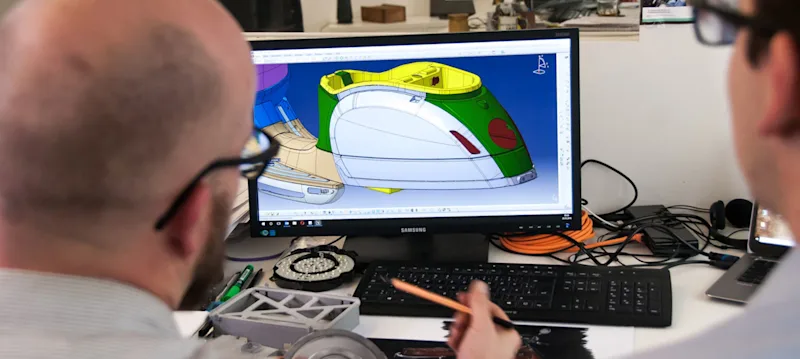
Ready to upgrade your onboarding? You don't need a graphic design degree to get started. Jump into the Packwire 3D Creator, upload your logo, and see exactly what your new welcome kit could look like in seconds.